

Best Work Boots
Tell us your trade and what the site requires. We match the boot to the job, not to a review chart.
Find my matchFree to use, and there’s no account to create. We ask for an email at the end so we can send your matches to you.
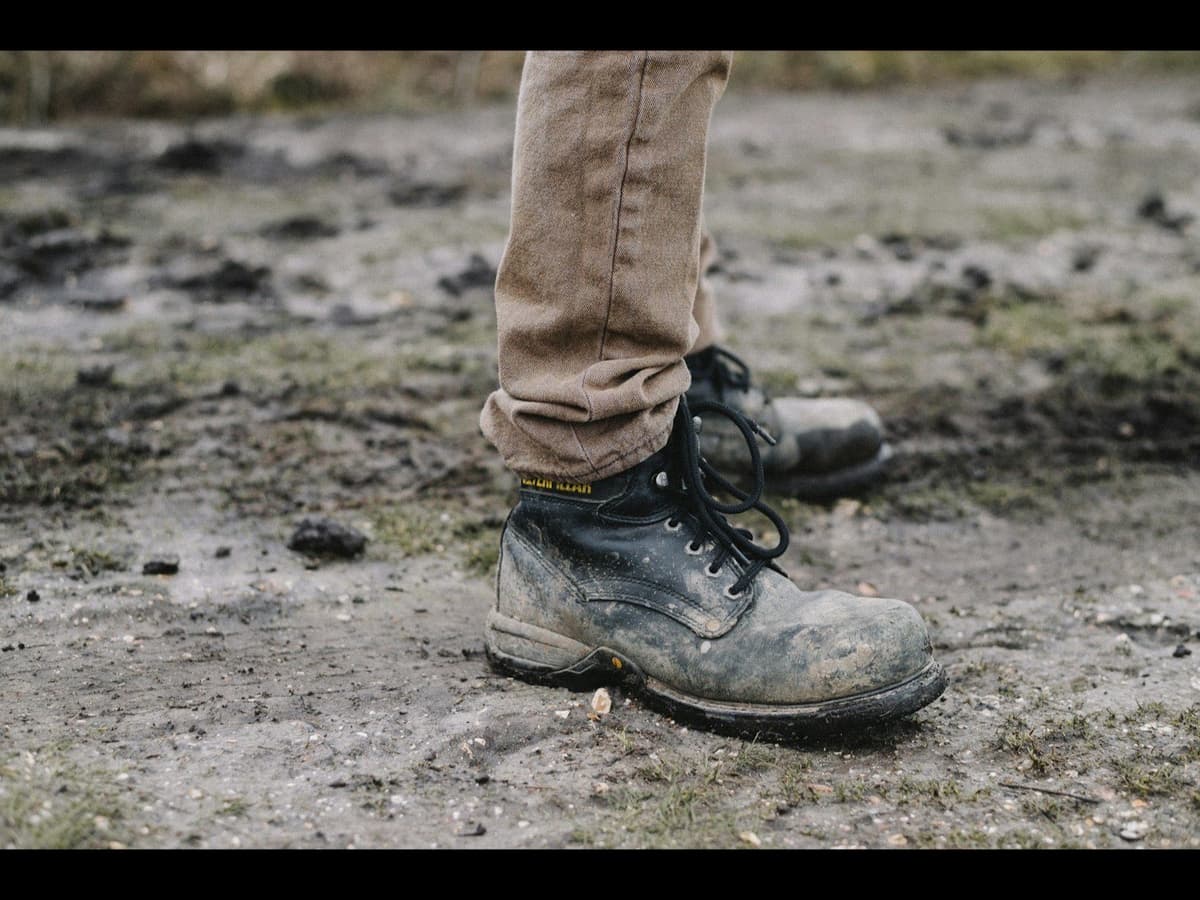
There’s no single “best work boots” — only the best one for you.
A carpenter on a framing site needs a different boot than a warehouse picker on flat concrete or a lineman working off ladders.
Our AI doesn’t have a quota to fill — it has one job: finding what fits your exact needs, not the one with the best commission.
A personalized match
Not a generic top-ten list
Save hours of research
Skip the endless tabs
100% free to use
No hidden fees, no signup
Honest recommendations
Not sponsored picks
Tailored questions, not a fixed checklist
Your questions are generated for what you’re actually shopping for, and each answer shapes the next one. Here’s how it starts.
- 1
Your trade and its hazards
Falling objects, punctures from nails, electrical work, slippery floors, chainsaws. The risks decide which protection you need.
- 2
What your site requires
A safety toe, an electrical-hazard rating, a puncture plate or a metatarsal guard: some of this is mandatory and non-negotiable.
- 3
The environment
Wet, cold, hot, oily, or dusty. It changes the leather, the lining and whether you want a waterproof membrane.
… and more, depending on what you tell us.
Start with what your site actually requires, because that part is non-negotiable and it narrows the field quickly. Many sites mandate a safety toe (ASTM F2413 in the US, EN ISO 20345 in the EU), and some add an electrical-hazard rating, a puncture-resistant plate, or a metatarsal guard. Check the site rules or ask your supervisor before you shop. A boot that fails a site inspection is a wasted purchase however good it is.
Steel toe versus composite toe is the question people overthink. Both pass the same impact test. Steel is thinner, so there is slightly more room in the toe box, and it is cheaper, but it conducts heat and cold straight to your toes. Composite (carbon or plastic) is lighter, does not set off metal detectors, and stays closer to air temperature in summer and winter, for a little more money and a slightly bulkier toe. For most people composite is the nicer daily wear; steel is perfectly fine and saves cash.
Construction decides lifespan and whether you can repair it. A Goodyear-welted boot has a stitched-on sole that a cobbler can replace two or three times, so a $250 welted boot worn daily can outlast four $100 glued boots and work out cheaper over the years, but only if you will actually take it in for a resole. Cemented (glued) boots are lighter and cheaper and get thrown away when the tread wears. Direct-attach sits in between.
Fit and break-in are where comfort is won or lost. Full-grain leather boots, especially welted ones, take one to two weeks of shorter wears to soften and mould to your foot, and they are stiff and blister-prone until they do. If you need comfort from day one, look at boots with softer leather or a more athletic build, including the growing number of "work trainers" that carry a genuine safety rating. Try boots on with work socks, late in the day, and expect your work size to differ from your street size.
Match the outsole to the ground you stand on. A deeply lugged rubber sole grips mud, gravel and uneven site ground. A flat wedge sole is better on ladders, scaffolding and finished interior floors, because more of the sole contacts each rung or board. If slips on wet concrete are your main hazard, look for an actual slip-resistant rating rather than assuming aggressive lugs mean grip.
How QuickPick works
Tell us what you need
In plain English. No model numbers, no spec knowledge required.
Answer a few smart questions
Our AI asks what actually changes the answer, then stops asking.
Get your top matches
A short, ranked shortlist you can compare side by side, with prices.
What actually changes as you spend more
Not a list of picks. Just a sense of which band you belong in before you answer a single question.
$80 – $130
A cemented safety boot from a mainstream brand: Timberland PRO, Caterpillar, Skechers Work. Passes the ratings, comfortable fairly quickly, and lasts roughly a year of daily abuse before the sole is gone. Right if you change jobs often or do not want to baby a boot.
$150 – $230
The everyday professional's boot: Thorogood, Carhartt, KEEN Utility, Wolverine. Better leather, a direct-attach or welt sole, and a genuine two-to-four-year life with basic care. Where most tradespeople end up.
$250 – $400
Resolable Goodyear-welted boots from Red Wing, Danner, Nicks or White's. Bought once and rebuilt for a decade, often made to order for fit. Worth it if you are in the same trade for the long haul and will actually use the resole.
Typical street prices, reviewed 2026-09-03. QuickPick shows live retailer prices on your actual matches.
Frequently asked questions
- Steel toe or composite toe?
- Both meet the same impact and compression standard, so neither is safer. Steel is cheaper and thinner, giving a little more toe room, but it transfers heat and cold. Composite is lighter, non-metallic (useful around detectors and live electrical work) and more comfortable in temperature extremes, for a bit more money. For daily wear most people prefer composite; steel is a sound budget choice.
- Do I need a safety toe, and which rating?
- That depends entirely on your site and trade, not on preference. Ask your supervisor or read the site's PPE policy: many require a rated safety toe (ASTM F2413 / EN ISO 20345), and some add electrical-hazard, puncture-resistance or metatarsal protection. Buy to the requirement. QuickPick asks what your site mandates before it recommends anything.
- How long does it take to break in work boots?
- Full-grain leather boots, especially Goodyear-welted ones, take one to two weeks of shorter wears, maybe 20 to 40 hours on your feet, before they soften and stop rubbing. Boots with softer leather or an athletic construction need far less, sometimes none. Never wear a stiff new leather boot for a full first shift; that is how you get blisters that last a week.
- Are expensive work boots worth it?
- If the boot is resolable and you will use the resole, the maths often works: a $250 welted boot rebuilt twice can outlast several cheap pairs and cost less per year. If you change trades frequently, work somewhere brutal on footwear, or will not take boots to a cobbler, a mid-range direct-attach boot is the more sensible spend.
- Can work boots be resoled?
- Goodyear-welted and stitchdown boots can be resoled repeatedly by a cobbler. Direct-attach boots can sometimes be resoled once. Cemented (glued) boots generally cannot, and are designed to be replaced. If long-term repairability matters to you, check the construction before buying, because it is not something you can add later.
- Should I get 6-inch or 8-inch work boots?
- 6-inch boots are lighter and more comfortable for walking and driving, and suit most general site work. 8-inch boots add ankle support and keep debris, sparks and water out, which matters for welding, deep mud, heavy lifting or uneven ground. Taller boots take longer to break in and are hotter in summer.
Honest recommendations — not endless tabs.
Answer a few questions and get matched in under a minute. Free, and no signup.
Looking for something else?