

Best Walking Shoes for All-Day Comfort
Tell us how you spend the day on your feet. We match the shoe to that, not to a bestseller list.
Find my matchFree to use, and there’s no account to create. We ask for an email at the end so we can send your matches to you.
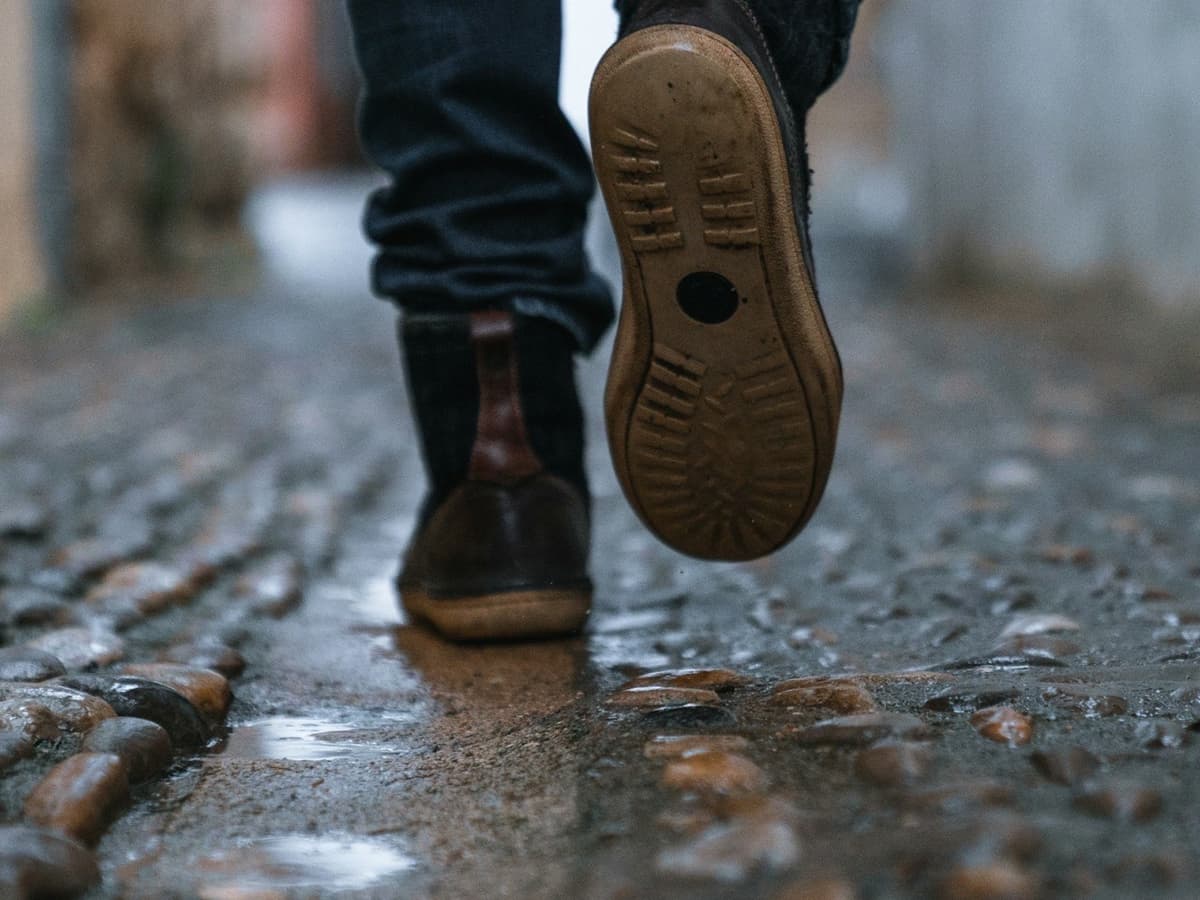
There’s no single “best walking shoes” — only the best one for you.
A nurse on a twelve-hour hospital shift needs a different shoe than a retiree taking a daily thirty-minute walk around the block.
Our AI doesn’t have a quota to fill — it has one job: finding what fits your exact needs, not the one with the best commission.
A personalized match
Not a generic top-ten list
Save hours of research
Skip the endless tabs
100% free to use
No hidden fees, no signup
Honest recommendations
Not sponsored picks
Tailored questions, not a fixed checklist
Your questions are generated for what you’re actually shopping for, and each answer shapes the next one. Here’s how it starts.
- 1
What "all day" actually means
Standing on hard hospital or retail floors for a full shift, walking city streets on holiday, or daily fitness walks for exercise.
- 2
Any foot pain you already have
Morning heel pain, bunions, a collapsing arch, or knee and hip aches. A specific problem points to specific features.
- 3
How presentable it has to look
A slip-resistant work shoe, a plain trainer that passes at the office, or something smart enough for a nice dinner.
… and more, depending on what you tell us.
"Walking shoes" is really three different products. Shoes for standing on hard floors all day (nurses, retail staff, cooks) prioritise cushioning underfoot and slip resistance, and often look like clogs or chunky trainers. Shoes for covering distance on a city break prioritise a broken-in fit and breathability. Shoes for daily fitness walks are essentially soft running shoes. Working out which of the three you are is most of the decision.
If a specific pain is driving this, the feature that helps is usually support, not softness. Heel pain that is worst with your first steps in the morning is classic plantar fasciitis, and it responds to a firm heel counter and genuine arch support, not to a shoe so plush your foot sinks into it, which can make it worse. A supportive footbed, or room to drop in your own orthotic, matters more than any cushioning number on the box.
Fit for all-day wear has to allow for feet that swell. By late afternoon your feet can be half a size larger than they were at breakfast, so a shoe fitted snugly in the morning becomes a vice by 4pm. Buy for the swollen foot: try shoes on at the end of the day, leave a thumb's width at the toe, and if you are between widths, size to the wider one.
For work, slip resistance is a measured spec, not a marketing word. Shoes certified to a standard such as ASTM F2913 in the US or the SRC rating in the EU are actually tested on wet and oily surfaces; a bag that just says "non-slip" is not. If you work in a kitchen, a hospital or a warehouse, that certification is the single feature most likely to prevent an injury, and it is worth filtering on before anything else.
Plan to replace these on schedule, not when they look worn out. The midsole foam that makes a hard floor bearable packs down within six to twelve months of daily wear while the upper still looks fine. People who are on their feet for a living often keep two pairs and alternate them day to day, which roughly doubles how long both last and gives the foam 24 hours to bounce back.
How QuickPick works
Tell us what you need
In plain English. No model numbers, no spec knowledge required.
Answer a few smart questions
Our AI asks what actually changes the answer, then stops asking.
Get your top matches
A short, ranked shortlist you can compare side by side, with prices.
What actually changes as you spend more
Not a list of picks. Just a sense of which band you belong in before you answer a single question.
$50 – $80
A well-cushioned everyday trainer from Skechers, New Balance or a last-generation running shoe. Fine for daily walks and lighter shifts. The trade is a shorter comfortable lifespan and no certified slip rating.
$100 – $150
What people on their feet for a living actually buy: Hoka Bondi or Clifton, Brooks Ghost, New Balance 990, or a proper slip-resistant work shoe. Real arch support, a firm heel, and foam that survives a year of daily use.
$160 – $220
Specialist comfort footwear: Hoka's wide-fit models, orthopaedic-friendly brands, or premium slip-resistant lines with removable footbeds for custom orthotics. Worth it if you have diagnosed foot problems or work full shifts on concrete.
Typical street prices, reviewed 2026-09-03. QuickPick shows live retailer prices on your actual matches.
Frequently asked questions
- What are the best shoes for standing all day?
- Look for firm arch support, a stable heel, a cushioned but not mushy midsole, and, for work, a certified slip-resistant outsole. Chunky maximum-cushion trainers (Hoka, Brooks) and dedicated slip-resistant work shoes both do this well. The exact model matters less than getting those four things and replacing the shoe before the foam packs down.
- What shoes are best for plantar fasciitis?
- Shoes with a firm heel counter, real arch support and a moderate heel-to-toe drop, rather than flat or extremely soft shoes. Many people do best in a supportive trainer plus an aftermarket insole, or a shoe with a removable footbed so an orthotic fits. If the pain is persistent, see a physiotherapist: the shoe is one part of the fix, not all of it.
- Are Hoka shoes good for walking and for nurses?
- They are popular in healthcare for a reason: the thick, stable midsole takes a lot of the impact out of standing on hard floors, and the wide-fit versions suit feet that swell. They are not certified slip-resistant unless the specific model says so, so for a wet kitchen or hospital floor, check that rating before buying.
- Walking shoes versus running shoes: what is the difference?
- Less than the labels suggest. A soft, cushioned running shoe makes an excellent walking shoe for fitness walks and travel. Dedicated walking shoes tend to be a bit stiffer through the sole, more water-resistant, and plainer looking. For standing all day, the work-shoe category adds slip resistance and a more supportive footbed that neither running nor casual walking shoes usually have.
- What does slip-resistant actually mean?
- It should mean the outsole has been tested against a standard: ASTM F2913 in the US, or the SRA/SRB/SRC ratings in the EU, which test grip on wet and oily floors. A vague "non-slip" claim with no standard behind it means little. If slips are your main hazard at work, treat the certification as a filter, not a nice-to-have.
- How often should I replace walking shoes?
- For daily all-day wear, every six to twelve months, because the midsole foam compresses long before the upper wears through. Alternating two pairs stretches that out and lets the foam recover between wears. If your feet or knees start aching after shifts that never used to hurt, the cushioning is gone.
Honest recommendations — not endless tabs.
Answer a few questions and get matched in under a minute. Free, and no signup.
Looking for something else?