

Best Hiking Boots
Tell us your terrain and how heavy you pack. We match the boot to the hiking you actually do.
Find my matchFree to use, and there’s no account to create. We ask for an email at the end so we can send your matches to you.
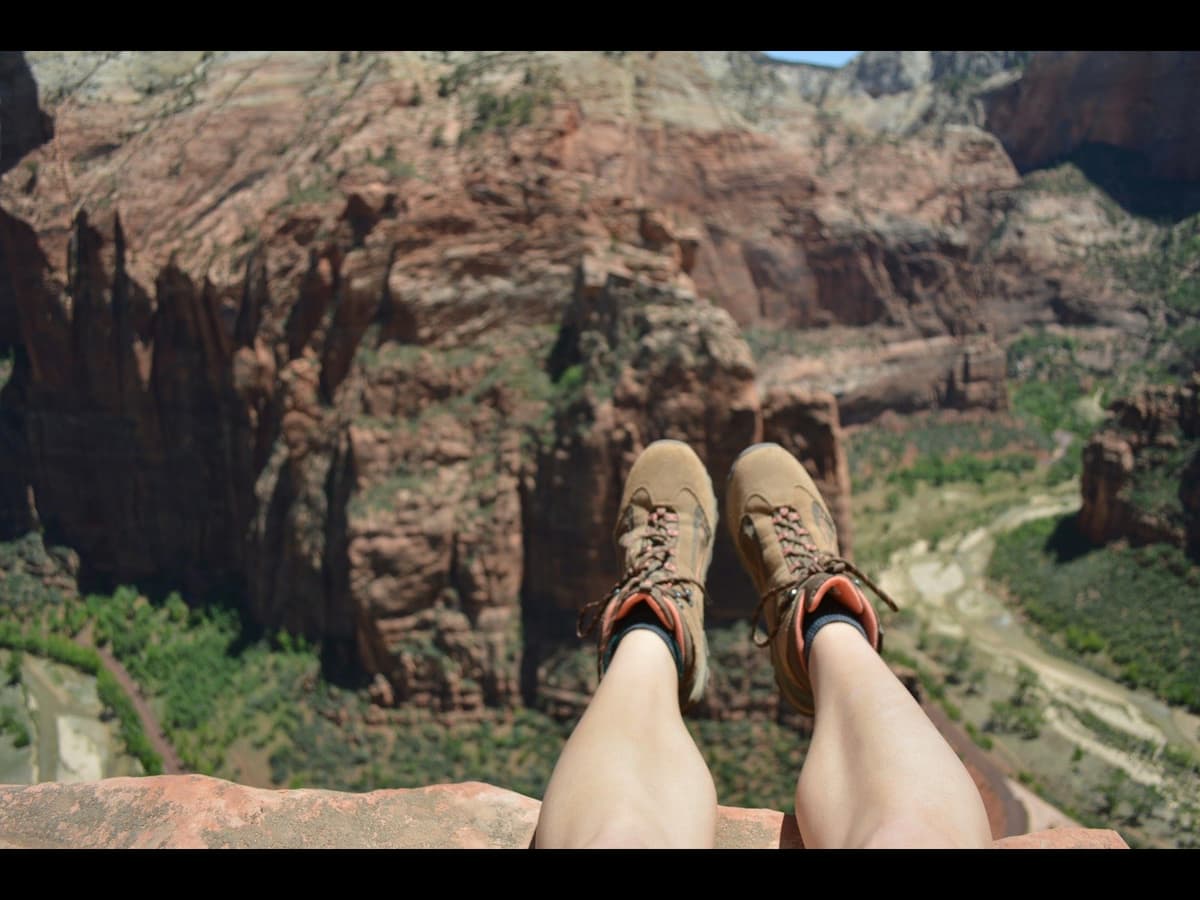
There’s no single “best hiking boots” — only the best one for you.
Someone carrying a 20kg pack over multi-day alpine terrain needs a different boot than someone doing well-marked day trails in summer.
Our AI doesn’t have a quota to fill — it has one job: finding what fits your exact needs, not the one with the best commission.
A personalized match
Not a generic top-ten list
Save hours of research
Skip the endless tabs
100% free to use
No hidden fees, no signup
Honest recommendations
Not sponsored picks
Tailored questions, not a fixed checklist
Your questions are generated for what you’re actually shopping for, and each answer shapes the next one. Here’s how it starts.
- 1
Your terrain
Groomed paths, rocky scrambles, mud, loose scree, or snow. Rougher ground asks for more protection and a stiffer sole.
- 2
How heavy you pack
A light daypack, or a multi-day load with a tent and food. Pack weight is the main argument for a stiff boot over a trail runner.
- 3
Boot or trail runner
Over-the-ankle support and durability, or a light, breathable shoe that dries fast and needs no breaking in.
… and more, depending on what you tell us.
The first real question is boot or trail runner, and it is genuinely contested among experienced hikers. Stiff, over-the-ankle boots protect against rolled ankles and rock bruising and carry a heavy pack comfortably, but they are hot, heavy, slow to dry and need breaking in. Trail runners are light, breathe well, dry in an hour and need no break-in, at the cost of support and lifespan. The rough rule: a heavier pack, rougher ground and weaker ankles push you toward boots; fast, light hiking on dry trails pushes toward trail runners.
Waterproof membranes such as Gore-Tex are the most oversold feature in hiking footwear. They keep light rain and morning dew out, but once water comes in over the top of the boot, from a deep puddle, a stream crossing or hours of hard rain, the membrane traps it and the boot takes a full day to dry instead of an hour. In dry, hot climates, non-waterproof boots that drain and breathe are often the better choice. Save the membrane for cold, wet and snowy conditions where it genuinely helps.
Fit is decided on the downhills, not on the flat. A boot that feels fine walking around the shop will slam your toes into the front on a steep descent and cost you toenails by the end of a trip. You want about a thumb's width of space ahead of your toes, a heel that does not lift, and a lacing system that lets you lock the ankle separately from the forefoot. Try boots on late in the day, in hiking socks, and walk down a ramp or stairs in the shop.
Break new boots in before the trip, never on it. Full-leather boots need several shorter walks, very roughly 20 to 50km in total, to soften and mould before you should trust them with a big day out. Synthetic and fabric boots need far less, sometimes none, which is a large part of their appeal. A brand-new stiff boot on a long hike is the single most reliable way to get the blisters that end a trip early.
Buy for the hiking you actually do, not the expedition you picture yourself doing. Most people hike marked day trails in fair weather and are best served by a light mid boot or a trail runner, not a stiff mountaineering boot that is overkill and uncomfortable on easy ground. If you later move into winter routes or serious alpine terrain, that is a second, more specialised boot bought for the purpose.
How QuickPick works
Tell us what you need
In plain English. No model numbers, no spec knowledge required.
Answer a few smart questions
Our AI asks what actually changes the answer, then stops asking.
Get your top matches
A short, ranked shortlist you can compare side by side, with prices.
What actually changes as you spend more
Not a list of picks. Just a sense of which band you belong in before you answer a single question.
$80 – $120
A synthetic mid boot from Merrell (the Moab), Columbia or Salomon. Light, almost no break-in, and fine for day hikes and light loads on maintained trails. The trade is shorter durability and less support under a heavy pack.
$140 – $200
The do-everything boot: Salomon Quest, Merrell Moab Speed, Hoka Anacapa, La Sportiva. A supportive mid-height boot that handles a multi-day pack and rough ground, with a Vibram outsole and materials that last several seasons.
$230 – $350
Leather backpacking and light mountaineering boots from Scarpa, Lowa, Meindl and Asolo. Stiff, resolable, and built for heavy loads, scree and years of hard use. Overkill for casual day hiking; right if you carry big packs on serious terrain.
Typical street prices, reviewed 2026-09-03. QuickPick shows live retailer prices on your actual matches.
Frequently asked questions
- Hiking boots or trail runners?
- Boots for heavy packs, rough or rocky ground, ankle instability and cold or wet conditions. Trail runners for fast, light hiking on reasonable trails in fair weather, where the low weight, breathability and instant comfort outweigh the loss of support. Many experienced hikers own both and choose by trip. Weak ankles and a big pack are the strongest reasons to stay in a boot.
- Do I need waterproof hiking boots?
- Only sometimes. A membrane helps in cold, wet and snowy conditions and on short muddy trails. In dry heat, or where you will cross streams, non-waterproof boots that drain and dry quickly are usually better, because once water gets in over the top a waterproof boot stays wet for a day. Decide by climate, not by default.
- How should hiking boots fit?
- Snug through the midfoot and heel with no lift, and about a thumb's width of space in front of your toes so they do not hit the front on descents. Fit them late in the day in hiking socks, and test them going downhill in the shop. If your heel slips or your toes touch the end, try a different size or a different last rather than hoping they will "give".
- How do I break in hiking boots?
- Wear them for everyday walks and short hikes first, building up over one to two weeks and roughly 20 to 50km for full-leather boots. Synthetic boots need much less. Never take a stiff new boot straight onto a long or remote hike; break-in blisters are avoidable and can genuinely end a trip.
- How long do hiking boots last?
- A synthetic mid boot might give 500 to 800 miles before the midsole and outsole are worn; a quality leather boot can go well beyond that and be resoled. Uppers usually outlast soles. Store them dry, clean off mud and salt, and recondition leather occasionally, and they will last markedly longer.
- Are expensive hiking boots worth it?
- For heavy loads and hard terrain, yes: a stiff, supportive, resolable leather boot is more comfortable under a big pack and lasts for years. For occasional day hiking on easy trails, a $100 synthetic mid boot is lighter, comfortable immediately and completely adequate. Match the spend to the terrain, not to the aspiration.
Honest recommendations — not endless tabs.
Answer a few questions and get matched in under a minute. Free, and no signup.
Looking for something else?