

Best Office Chair for Back Pain
Answer a few questions about your back and your desk, and get one recommendation instead of a wall of chairs.
Find my matchFree to use, and there’s no account to create. We ask for an email at the end so we can send your matches to you.
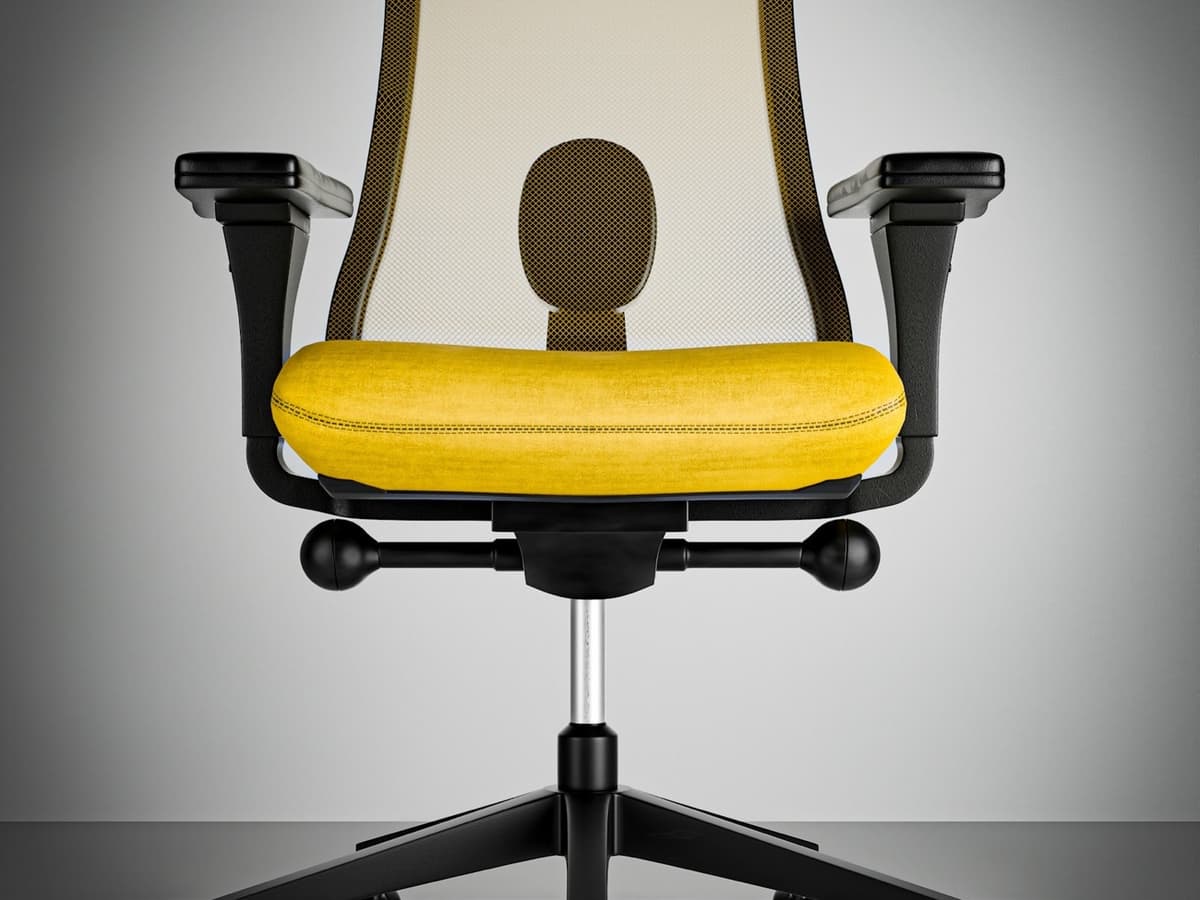
There’s no single “best office chair” — only the best one for you.
Someone with a diagnosed disc problem needs a different chair than someone whose lower back just aches by mid-afternoon from a seat they sink into.
Our AI doesn’t have a quota to fill — it has one job: finding what fits your exact needs, not the one with the best commission.
A personalized match
Not a generic top-ten list
Save hours of research
Skip the endless tabs
100% free to use
No hidden fees, no signup
Honest recommendations
Not sponsored picks
Tailored questions, not a fixed checklist
Your questions are generated for what you’re actually shopping for, and each answer shapes the next one. Here’s how it starts.
- 1
Where and when it hurts
Lower back by mid-afternoon, a specific diagnosed problem, or aching through the hips and neck from a chair with no support at all.
- 2
How adjustable the lumbar support is
Support that moves up, down and forward to meet the curve of your spine, rather than a fixed lump you hope lands in the right place.
- 3
Seat depth and reaching the backrest
If the seat is too long you sit forward off the back entirely, and no amount of lumbar support helps.
… and more, depending on what you tell us.
The feature that actually helps a sore back is lumbar support you can move, and the reason is simple: the inward curve of your lower spine sits at a different height on a tall person than on a short one, and a fixed bulge moulded into a backrest only helps the fraction of people it happens to line up with. Good support adjusts up and down to meet your curve, and the better systems also move forward and back so you can dial in how firmly it pushes. A chair described as having "lumbar support" with no adjustment is making a promise it can only keep by accident.
None of that matters if you cannot sit against the backrest in the first place. If the seat is too deep for your thighs, you either perch on the front edge with nothing behind you or you slump backwards to reach the support, and both undo it. This is why seat depth adjustment — a pan that slides forward and back — is close to essential for a back-pain chair, especially if you are shorter than average. Get the depth right first; the lumbar setting only works once your back is actually touching it.
A proper recline is underrated for back pain because leaning back transfers load off your spine and onto the chair. Sitting bolt upright at 90 degrees, which chairs were sold on for years, is one of the higher-pressure positions for the lumbar discs. A chair that reclines smoothly to around 100 to 110 degrees with the backrest still supporting you, and that has enough tension adjustment to match your weight so you are neither fighting it nor falling into it, lets you spend part of the day in a lower-pressure posture. A recline lock helps you hold it where it feels best.
If a conventional chair has never worked for you, it is worth knowing the alternatives exist. Kneeling chairs tip your pelvis forward and open the hip angle, which some people with lower-back pain find genuinely relieving, though they load the shins and are not for all-day use. Saddle stools do something similar while keeping your feet flat, and are popular with dentists and others who lean over their work. Active or wobble stools have no back at all and keep your core engaged; they suit short focused stints better than eight-hour days. None is a cure, but for a specific back they can beat the best task chair, and a rotation of two seats often works better than one.
The honest limit of this page: a chair is one input into back pain, not the fix. Persistent or worsening pain, pain that runs down a leg, or pain that wakes you at night is worth taking to a physiotherapist or doctor rather than shopping your way out of. A good chair supports a back that is being looked after; it does not repair one that is not. The strongest pairing is a chair plus a height-adjustable desk, because the thing that helps most backs is alternating between sitting and standing rather than perfecting a single position.
How QuickPick works
Tell us what you need
In plain English. No model numbers, no spec knowledge required.
Answer a few smart questions
Our AI asks what actually changes the answer, then stops asking.
Get your top matches
A short, ranked shortlist you can compare side by side, with prices.
What actually changes as you spend more
Not a list of picks. Just a sense of which band you belong in before you answer a single question.
$180 – $350
Task chairs with a separate, height-adjustable lumbar pad: some IKEA models, Sihoo, Nouhaus. The adjustment range is limited and the recline is simple, but a movable lumbar support at this price is a real step up from a fixed one.
$400 – $850
Steelcase Series 1 and 2, Herman Miller Sayl, Branch Ergonomic Pro, or a refurbished Steelcase Leap — a chair that pairs adjustable lumbar with adjustable seat depth and a weight-matched recline. The Leap in particular is a long-standing pick for lower-back pain.
$900 – $1,800
Steelcase Leap and Gesture, Herman Miller Embody and Aeron with PostureFit, Humanscale Freedom. Back support that responds as you move, longer warranties, and a refined recline. Worth it for all-day sitting with a real back problem, and often found used for much less.
Typical street prices, reviewed 2026-09-04. QuickPick shows live retailer prices on your actual matches.
Frequently asked questions
- What kind of lumbar support should an office chair have for back pain?
- Adjustable, not fixed. You want support that moves up and down to sit on the curve of your lower spine, and ideally in and out to control the firmness. A moulded bulge that cannot move only helps people whose spine happens to line up with it. If a listing does not say the lumbar support adjusts, assume it does not.
- Is a firm or a soft seat better for back pain?
- Firm enough that you do not sink, with support that holds your pelvis upright. A seat you sink into rolls your pelvis backwards and flattens your lower back, which is often what started the ache. Cushioning is fine on top of a supportive base; a soft seat with no structure under it is the thing to avoid.
- Are kneeling chairs or saddle stools good for back pain?
- For some backs, yes, and it is worth trying if standard chairs have never helped. Kneeling chairs and saddle stools open the hip angle and tip the pelvis forward, which can relieve lower-back pressure. They are not designed for eight-hour days, so most people use one as part of a rotation with a normal chair rather than as a full-time replacement.
- Will an expensive chair fix my back pain?
- It can reduce the load that sitting puts on your back, which helps a lot of everyday aches, but it is not a medical fix. Pain that persists, worsens, radiates down a leg or wakes you at night needs a physiotherapist or doctor. Buy the chair to support a back you are also looking after in other ways.
- Is the Steelcase Leap actually good for lower back pain?
- It has a long track record for it, largely because it combines a flexing backrest that tracks your spine with genuine seat-depth and lumbar adjustment, and it is common on the refurbished market for well under half its new price. It is not automatically the right chair for you — fit still depends on your size — but it is a reasonable default to compare others against.
- Should I get a standing desk instead of a new chair?
- Ideally both, but if you have to choose, the bigger win for most backs is being able to change position, which a height-adjustable desk gives you. A chair plus a sit-stand desk lets you alternate all day, which beats any single perfect posture. QuickPick can match either.
Honest recommendations — not endless tabs.
Answer a few questions and get matched in under a minute. Free, and no signup.