

Best Budget Smartwatch
Tell us the few features you actually care about. We match a cheap watch that does those well, and skip the rest.
Find my matchFree to use, and there’s no account to create. We ask for an email at the end so we can send your matches to you.
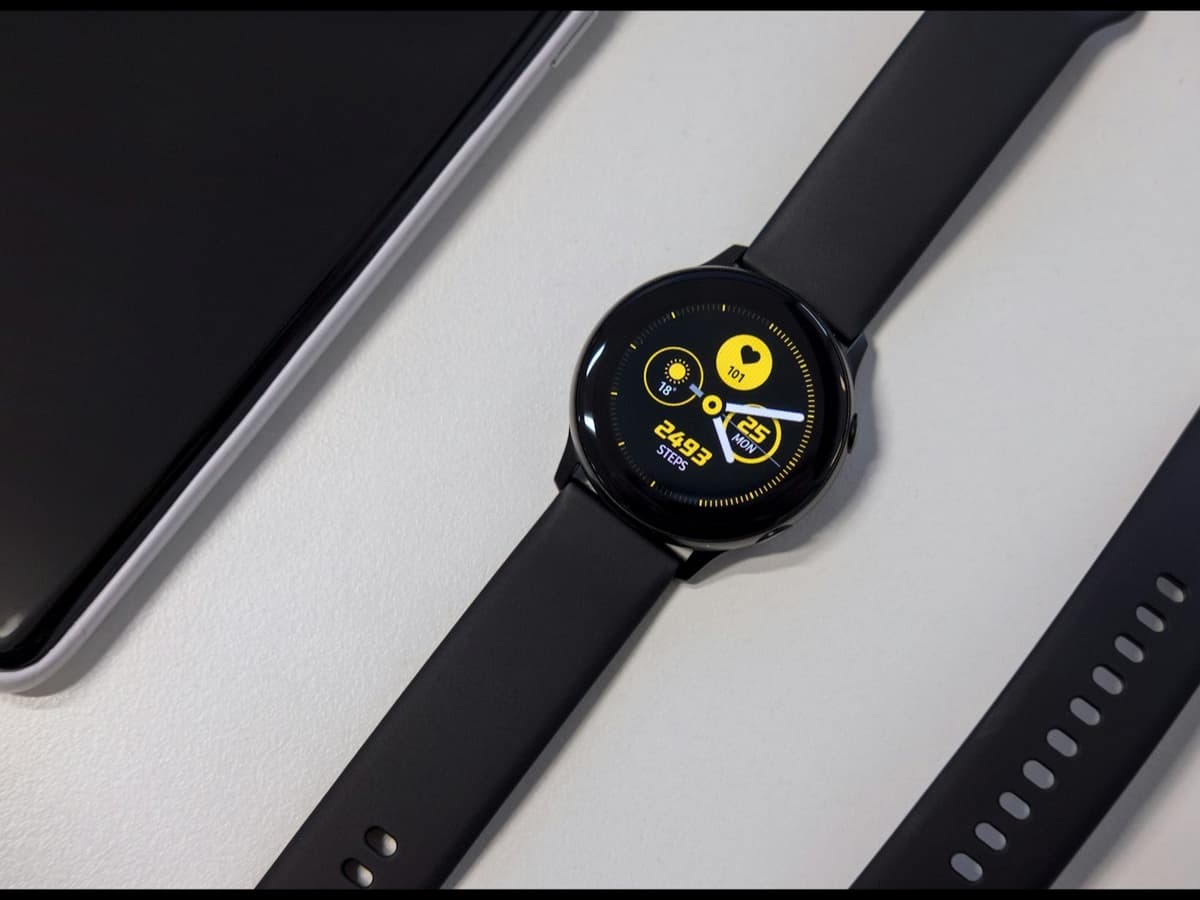
There’s no single “best budget smartwatch” — only the best one for you.
Someone who mainly wants step count, sleep and phone notifications on their wrist needs a different cheap watch than someone who wants GPS-tracked runs and contactless payment without paying flagship prices.
Our AI doesn’t have a quota to fill — it has one job: finding what fits your exact needs, not the one with the best commission.
A personalized match
Not a generic top-ten list
Save hours of research
Skip the endless tabs
100% free to use
No hidden fees, no signup
Honest recommendations
Not sponsored picks
Tailored questions, not a fixed checklist
Your questions are generated for what you’re actually shopping for, and each answer shapes the next one. Here’s how it starts.
- 1
The features you actually care about
Notifications, sleep, steps, heart rate, built-in GPS, contactless payment: pick the two or three that matter.
- 2
Your phone
Android, where cheap watches behave well, or iPhone, where Apple limits what non-Apple watches can do.
- 3
Battery life
Whether one to three weeks per charge is a big part of why you are shopping in this category.
… and more, depending on what you tell us.
Cheap smartwatches have got genuinely good, but they save money in predictable places, so decide which compromises you can live with. The common cuts are: no built-in GPS (the watch borrows your phone's), no contactless payment, less accurate optical heart rate during exercise, notifications you can see but not act on, and no third-party apps. If none of those five things matter to you, a $50 watch does the job. If two of them do, you are looking at $120 to $180.
Notifications are the feature most affected by your phone. On Android, budget watches from Amazfit, Xiaomi and others show notifications reliably and can often send quick replies. On iPhone, Apple limits what non-Apple watches can do, so you will see notifications but usually cannot reply, and some interactions are unreliable. If you are on iPhone and notifications are your main reason to buy, temper expectations or budget for an Apple Watch SE.
Battery life is where budget watches often beat expensive ones. Because they run lightweight software and simpler screens, watches like the Amazfit Bip series routinely last one to three weeks per charge, versus a day or two for an Apple Watch or a Wear OS watch. If "I never want to think about charging it" is high on your list, the budget category is arguably the right category regardless of money.
Health data from cheap watches is directional, not clinical. Step counts are reasonable. Resting heart rate and sleep stages are roughly right and useful for spotting trends, not for precise numbers. Blood oxygen and stress scores at this price are close to decorative. Treat the data as "am I trending better or worse" rather than as measurements, and it is genuinely useful.
Look at the same few brands rather than the cheapest listing. Amazfit, Xiaomi and Fitbit's entry devices have real apps, get updates and have a track record. The sub-$30 no-name watches on marketplaces often have poor companion apps, abandoned firmware, and privacy practices you cannot verify. Spending $50 to $70 with a known brand is the floor for something you will actually keep wearing.
How QuickPick works
Tell us what you need
In plain English. No model numbers, no spec knowledge required.
Answer a few smart questions
Our AI asks what actually changes the answer, then stops asking.
Get your top matches
A short, ranked shortlist you can compare side by side, with prices.
What actually changes as you spend more
Not a list of picks. Just a sense of which band you belong in before you answer a single question.
$30 – $60
Amazfit Bip 5 or 6, Xiaomi Redmi Watch, a basic Fitbit. Notifications, steps, heart rate, sleep, and often two weeks of battery. No payments, GPS is phone-connected, and heart rate lags in hard exercise.
$80 – $130
Amazfit Active or GTR, Xiaomi Watch S, Fitbit Versa. Built-in GPS, brighter AMOLED screens, better heart-rate sensors, sometimes contactless payment. Close to a mainstream smartwatch for a third of the price.
$150 – $200
Amazfit Balance or Cheetah, Fitbit Sense, Samsung Galaxy Watch FE. Reliable GPS, real training metrics, payments and app support. The point where "budget" meets "just a good smartwatch".
Typical street prices, reviewed 2026-09-03. QuickPick shows live retailer prices on your actual matches.
Frequently asked questions
- What can't a cheap smartwatch do?
- The usual omissions are built-in GPS, contactless payment, accurate heart rate during hard exercise, actionable (repliable) notifications, and third-party apps. Cheap watches do notifications, steps, sleep, resting heart rate and long battery life well. Decide which of the missing features you actually need before spending more.
- Do budget smartwatches have GPS?
- The cheapest do not: they use your phone's GPS, so runs are only tracked accurately if you carry your phone. Built-in GPS generally starts around $80–$100 in this category (Amazfit Active, Xiaomi Watch S). If you want to run without your phone, filter for "built-in GPS" specifically.
- Are budget smartwatches accurate for heart rate and sleep?
- For resting heart rate and sleep trends, yes, they are good enough to track whether things are improving. For heart rate during intervals or lifting, the optical sensor lags and overshoots. For precise training zones, use a chest strap. Blood-oxygen and stress figures at this price are rough estimates.
- Do cheap smartwatches work well with iPhone?
- Partly. They pair and show notifications, but Apple restricts what non-Apple watches can do, so replying to messages is usually impossible and some features are flaky. On Android the same watches behave much better. If you are on iPhone and want a proper experience, the Apple Watch SE is the honest recommendation.
- Which budget smartwatch brands are worth trusting?
- Amazfit, Xiaomi and Fitbit are the reliable names: real companion apps, ongoing firmware updates and a track record. Avoid sub-$30 unbranded watches, which often have broken apps, no updates and questionable data handling. The floor for something you will keep wearing is roughly $50 with a known brand.
- Is a Fitbit or an Amazfit better on a budget?
- Fitbit has the more polished app, better sleep analysis and a large community, but locks some insights behind a subscription and has fewer features per dollar. Amazfit gives you more hardware (GPS, brighter screens, longer battery) for the money with a functional but plainer app. Pick Fitbit for the software experience, Amazfit for the spec sheet.
Honest recommendations — not endless tabs.
Answer a few questions and get matched in under a minute. Free, and no signup.
Looking for something else?