
Best Camera for Beginners
Answer a few questions about what you want to photograph, and skip the spec comparisons.
Find my matchFree to use, and there’s no account to create. We ask for an email at the end so we can send your matches to you.
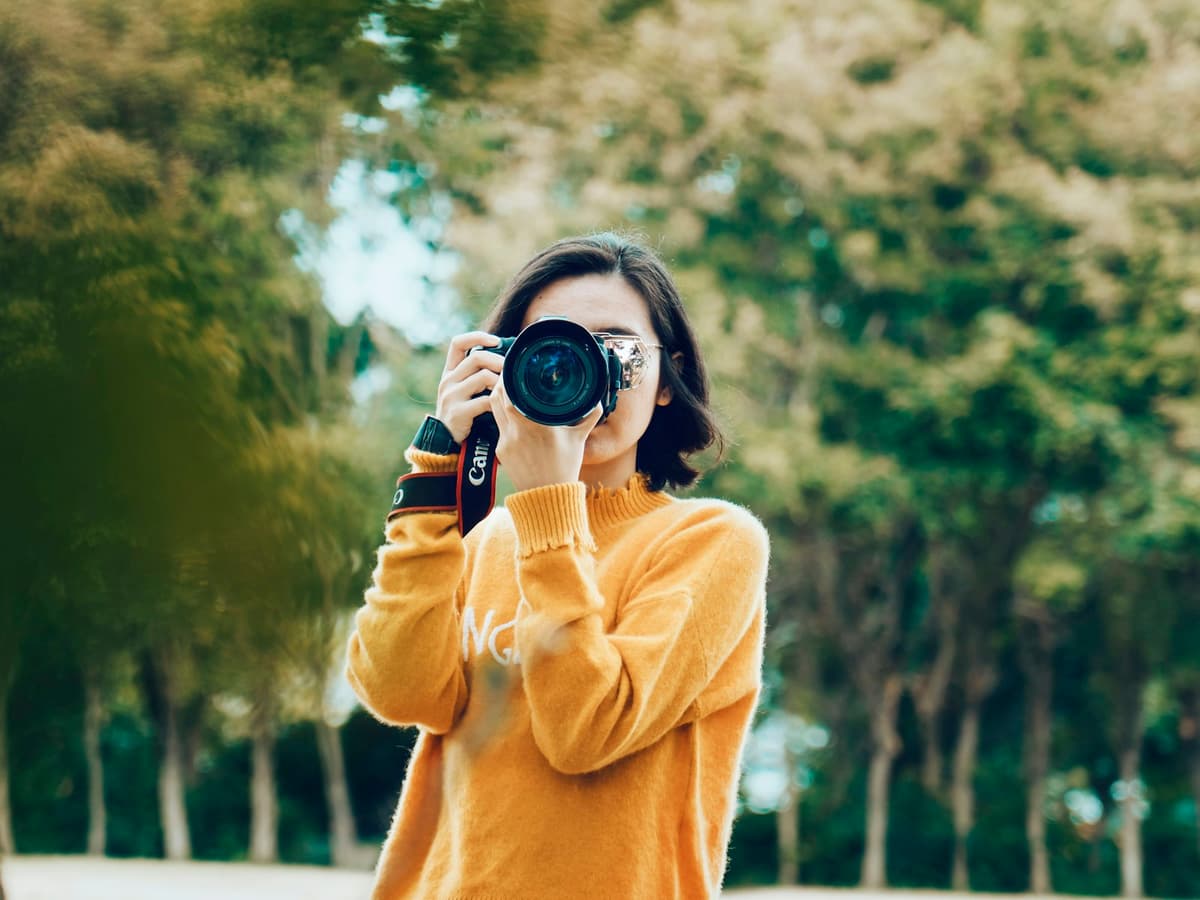
There’s no single “best camera” — only the best one for you.
Someone learning photography as a hobby needs a different first camera than a parent who just wants sharp photos of their kids without a manual.
Our AI doesn’t have a quota to fill — it has one job: finding what fits your exact needs, not the one with the best commission.
A personalized match
Not a generic top-ten list
Save hours of research
Skip the endless tabs
100% free to use
No hidden fees, no signup
Honest recommendations
Not sponsored picks
Tailored questions, not a fixed checklist
Your questions are generated for what you’re actually shopping for, and each answer shapes the next one. Here’s how it starts.
- 1
What you will photograph most
Children and pets in motion, travel and landscapes, food and products, or video for a channel.
- 2
How you want to carry it
Something that fits a coat pocket, or a proper body with a grip that you will take out deliberately.
- 3
Whether you want to change lenses
Interchangeable lenses open everything up later. One good built-in lens keeps it simple forever.
… and more, depending on what you tell us.
The first question is not which camera to buy, it is whether you need one. Modern phones are genuinely good, and they beat a real camera on the two things that matter most in practice: it is in your pocket, and the photo is shared thirty seconds later. Buying a camera is worth it when you keep hitting the specific walls a phone cannot get past. Real optical zoom rather than a crop. Usable pictures in a dim restaurant or a school hall. Freezing a child or a dog mid-movement without blur. Genuinely blurred backgrounds from optics rather than software. If you have hit those walls, a camera will change what you can do. If you have not, it will sit in a drawer.
The most expensive beginner mistake is spending everything on the body. The lens shapes the image far more than the body does, and it outlives several bodies, so a modest camera with a good lens beats an expensive camera with the kit zoom almost every time. The usual first upgrade is a cheap fast prime, something like a 50mm or 35mm at f/1.8, which costs little and immediately produces the low-light performance and background separation people buy cameras for in the first place.
For anyone buying now, mirrorless is the answer over a DSLR. Nearly all development, new lenses and new autofocus technology have moved there, and modern subject-detection autofocus that tracks eyes, animals and vehicles is transformative when you are learning, because it removes the single hardest technical skill. DSLRs remain capable and are cheap secondhand, but you would be buying into a system that manufacturers have stopped investing in.
Sensor size is where most beginner confusion lives, and the practical answer is simple. APS-C is the right starting point for the overwhelming majority of people: noticeably better than a phone, meaningfully cheaper and lighter than full frame, and served by plenty of affordable lenses. Micro Four Thirds trades a little low-light quality for genuinely small cameras and lenses. Full frame is excellent and heavy and expensive, and it is rarely what limits a beginner.
Two practical notes to finish. The used market is unusually good for first cameras, because enthusiasts upgrade often and shutter counts on a three-year-old body are typically trivial compared to its rated life. And understand that you are choosing a lens mount, not just a camera. Bodies get replaced every few years; the lenses you accumulate are the real investment, and moving to another brand later means selling all of them. That makes the system a bigger decision than the specific model.
How QuickPick works
Tell us what you need
In plain English. No model numbers, no spec knowledge required.
Answer a few smart questions
Our AI asks what actually changes the answer, then stops asking.
Get your top matches
A short, ranked shortlist you can compare side by side, with prices.
What actually changes as you spend more
Not a list of picks. Just a sense of which band you belong in before you answer a single question.
$450 – $750
Canon EOS R100, Sony ZV-E10, or a used Fujifilm X-T30. An APS-C sensor with a kit lens, and a clear step up from a phone in zoom, low light and control. Simpler autofocus and usually no viewfinder on the cheapest models.
$900 – $1,400
Canon R50 or R10, Sony a6400, Fujifilm X-S20, Nikon Z50. Reliable subject-detection autofocus, a proper viewfinder, and good video. This is where a first camera stops feeling like a compromise.
$1,600 and up
Sony a7C II, Canon EOS R8, Nikon Z6. Better low-light performance and shallower depth of field, in a bigger and heavier package with more expensive lenses. Rarely the thing holding a beginner back.
Typical street prices, reviewed 2026-09-02. QuickPick shows live retailer prices on your actual matches.
Frequently asked questions
- Is a real camera actually better than my phone?
- For some things, clearly. Optical zoom, low light, freezing fast movement and genuinely blurred backgrounds are all things a dedicated camera does better because of physics rather than software. For everyday snapshots that get shared immediately, your phone is often the better tool, because it is with you and the picture is out in seconds. The honest test is whether you keep hitting those specific limits.
- Mirrorless or DSLR for a beginner?
- Mirrorless, if you are buying new. That is where all the current development, new lenses and modern autofocus have gone, and subject detection that tracks eyes and animals genuinely helps while you are learning. DSLRs still take excellent photographs and are cheap used, but you would be investing in lenses for a system that is no longer being developed.
- Should I buy a used camera?
- It is one of the better ways to start. Enthusiasts upgrade frequently, so three-year-old bodies are plentiful and have usually taken a small fraction of their rated shutter life. Check the shutter count, the sensor for dust and marks, and the screen and mount for wear. Buying used often lets you put the saved money into a better lens, which improves your photos more.
- What lens should I buy first?
- Start with the kit zoom that comes bundled, use it for a month, and notice which end you keep reaching for. Then buy a fast prime, typically a 50mm or 35mm at f/1.8, which is inexpensive and immediately delivers the low-light ability and background blur that made you want a camera. Do not buy several lenses at once before you know how you shoot.
- Do I need a full frame camera?
- Almost certainly not as a first camera. APS-C is a large step up from a phone while being cheaper, lighter and supported by more affordable lenses. Full frame gives better low-light performance and shallower depth of field, but the limiting factor for a beginner is nearly always technique and lens choice rather than sensor size.
- How much should I spend on my first camera?
- Between $900 and $1,400 buys a body and lens you will not outgrow quickly, with the autofocus that makes learning easier. You can start under $750, particularly used, and that is a sensible choice if you are unsure the hobby will stick. Whatever you spend, plan to keep something back for a second lens, because that is where the visible improvement comes from.
Honest recommendations — not endless tabs.
Answer a few questions and get matched in under a minute. Free, and no signup.
Looking for something else?