

Best Laptop Backpack for Commuting
Tell us how you get to work and what goes in the bag. We match it to that, not to a bestseller list.
Find my matchFree to use, and there’s no account to create. We ask for an email at the end so we can send your matches to you.
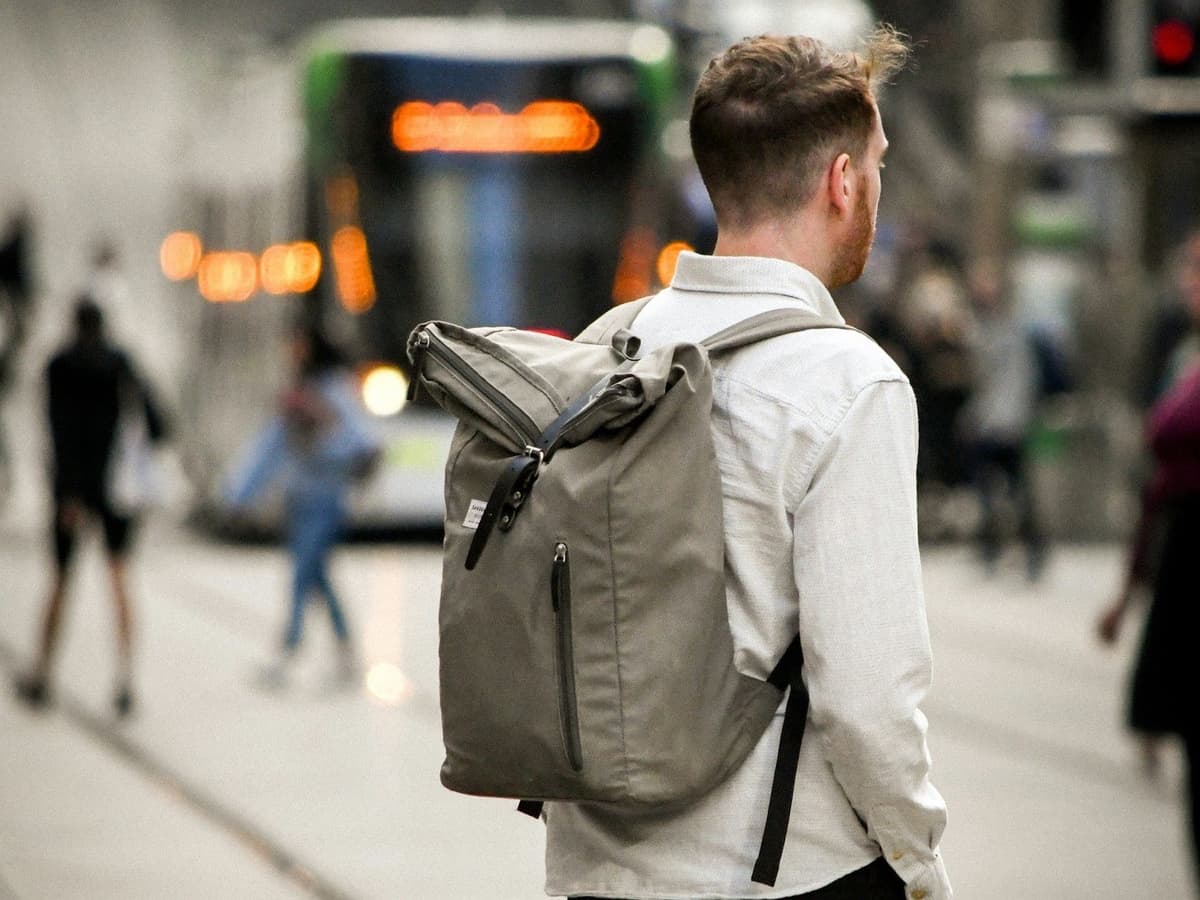
There’s no single “best laptop backpack” — only the best one for you.
Someone cycling four miles in all weathers needs a different bag than someone standing on a packed commuter train with a laptop and a gym kit.
Our AI doesn’t have a quota to fill — it has one job: finding what fits your exact needs, not the one with the best commission.
A personalized match
Not a generic top-ten list
Save hours of research
Skip the endless tabs
100% free to use
No hidden fees, no signup
Honest recommendations
Not sponsored picks
Tailored questions, not a fixed checklist
Your questions are generated for what you’re actually shopping for, and each answer shapes the next one. Here’s how it starts.
- 1
How you actually commute
On foot, on a bike, on a packed train or bus, or a drive with a short walk at each end. Each one stresses a different part of the bag.
- 2
Your laptop size, and what rides with it
A 13-inch and a notebook, or a 16-inch plus a charger, a change of clothes and lunch. It sets the litres you need.
- 3
Weather protection
Whether it needs a water-resistant coating and covered zips for drizzle, or a full rain cover for cycling through a downpour.
… and more, depending on what you tell us.
The commute decides this bag, and the two hard cases pull in opposite directions. On a packed train you want something slim and flat that does not turn sideways into another passenger, with a back-panel laptop opening you can reach without taking the bag off. On a bike you want a stable load that does not sway when you stand on the pedals, a chest strap to hold it there, and genuine waterproofing rather than a hopeful water-repellent coating. A bag that is perfect for one is usually a compromise for the other, so be honest about which describes most of your week.
Size is where people go wrong, in both directions. A 30-litre pack for a 13-inch laptop and a sandwich is dead weight that encourages you to fill it; a 12-litre sleeve-with-straps will not close over a 16-inch machine, a charger and a packable jacket. Work out what you carry on a normal day, add a little, and buy for that. Most one-laptop commutes are well served by 15 to 22 litres, and a bag with a little structure carries a light load better than a soft sack carries a heavy one.
The laptop compartment itself is worth more than the marketing gives it credit for. A padded sleeve sewn flat against the back panel still lets the laptop hit the ground when you drop the bag off your shoulder. What you want is a suspended or floating sleeve that keeps the machine off the bottom of the bag, plus a panel thick enough that a corner does not dig into your spine. If you carry a work laptop you do not own, this is the feature to insist on.
Water protection is a spectrum, not a yes or no. Most commuter bags have a water-resistant fabric and an unsealed main zip, which shrugs off drizzle and a dash from the car but wets through in sustained rain, exactly the conditions a cyclist rides in. If your commute is exposed, look for a roll-top or a welded construction, or a bag that ships with a hi-vis rain cover. A cover you have to buy separately and remember is a cover you will leave at home the day it matters.
Two features cost little and save a daily irritation. A luggage pass-through strap on the back lets the bag sit on a wheeled case for the airport or the station, and once you have used one you notice its absence. And a dedicated quick-access pocket, positioned where your hand goes without looking, keeps your transit card, phone and keys out of the main compartment. Everything else is preference: colour, briefcase-versus-rucksack styling, and how many organiser slots you will actually use.
How QuickPick works
Tell us what you need
In plain English. No model numbers, no spec knowledge required.
Answer a few smart questions
Our AI asks what actually changes the answer, then stops asking.
Get your top matches
A short, ranked shortlist you can compare side by side, with prices.
What actually changes as you spend more
Not a list of picks. Just a sense of which band you belong in before you answer a single question.
$40 – $80
SwissGear, Matein, Herschel, an Amazon Basics commuter pack. A padded laptop sleeve, water-resistant fabric, and enough pockets to stay organised. The sleeve is usually sewn flat rather than suspended, the zips are not lockable, and the shoulder straps are thin for a heavy load.
$100 – $190
Bellroy Classic, Timbuk2 Never Check, Osprey Arcane, Aer Day Pack. A suspended laptop compartment, a luggage pass-through, better weather resistance and a sternum strap. This is the band most commuters should be shopping in.
$210 – $340
Peak Design Everyday, Tom Bihn Synik, Mission Workshop, Aer Pro Pack. Weatherproof fabrics, a genuine floating laptop sleeve, load-lifter straps and a long or lifetime warranty. Worth it if you commute daily and keep a bag for years.
Typical street prices, reviewed 2026-09-04. QuickPick shows live retailer prices on your actual matches.
Frequently asked questions
- What size backpack do I need for commuting with a laptop?
- For a laptop plus the usual extras — charger, notebook, lunch, a light layer — 15 to 22 litres is enough for most people. Go bigger only if you regularly carry gym kit or a change of clothes. A smaller bag with some internal structure carries better than an oversized soft one, and it stops you lugging around space you do not need.
- Are commuter backpacks actually waterproof?
- Most are water-resistant, not waterproof: the fabric is coated but the main zip is not sealed, so they handle drizzle and a short dash but let water in during sustained rain. If you cycle or walk a long way in the open, look for a roll-top, welded seams, or a bag that includes a rain cover. Check whether the cover is included or a separate purchase.
- What is a luggage pass-through and do I need one?
- It is a sleeve or strap on the back panel that slides over the handle of a wheeled suitcase, so the backpack rides on the case instead of your shoulders. If you travel through airports or big stations, it is genuinely useful. If your commute never involves rolling luggage, you will not miss it.
- How do I keep my bag secure on a crowded train?
- Look for zips that hide against the back panel or tuck under a flap, and ideally lockable pulls on the main compartment. Some bags open only against your back, which means the openings are unreachable while you are wearing it. On a route that feels safe, standard zips are fine and not worth paying extra to avoid.
- Is a backpack or a messenger bag better for commuting?
- A backpack spreads the load across both shoulders and is much better for anything over a few miles or for cycling. A messenger bag is faster to swing round for your travel card and looks more formal, but it loads one shoulder and gets uncomfortable when full. If your commute is long or active, choose the backpack.
- Do I need a dedicated laptop backpack or will any backpack do?
- Any backpack will carry a laptop, but a dedicated one adds a padded, ideally suspended compartment that keeps the machine off the bottom of the bag and away from knocks. If you carry an expensive or employer-owned laptop every day, that protection is worth the small premium. For occasional trips, a padded sleeve inside a normal pack is fine.
Honest recommendations — not endless tabs.
Answer a few questions and get matched in under a minute. Free, and no signup.
Looking for something else?